
CES–the erstwhile “Consumer Electronics Show” which has left that narrow definition behind some years ago–serves as a window into how mobility technologies are evolving across automotive, industrial, agricultural, and marine sectors.
It seems only a few short years ago that some automakers chose to launch vehicles at that event rather than at the traditional set of international auto shows. And while that migration seems less certain these days, it has undeniably become the place where companies talk about the technology of mobility.
This years edition, which kicked off in Las Vegas January 6, is no different.
For the aftermarket, this year’s show makes one thing clear: the next generation of vehicles—and equipment—will be defined less by hardware alone and more by software, sensors, and system integration.
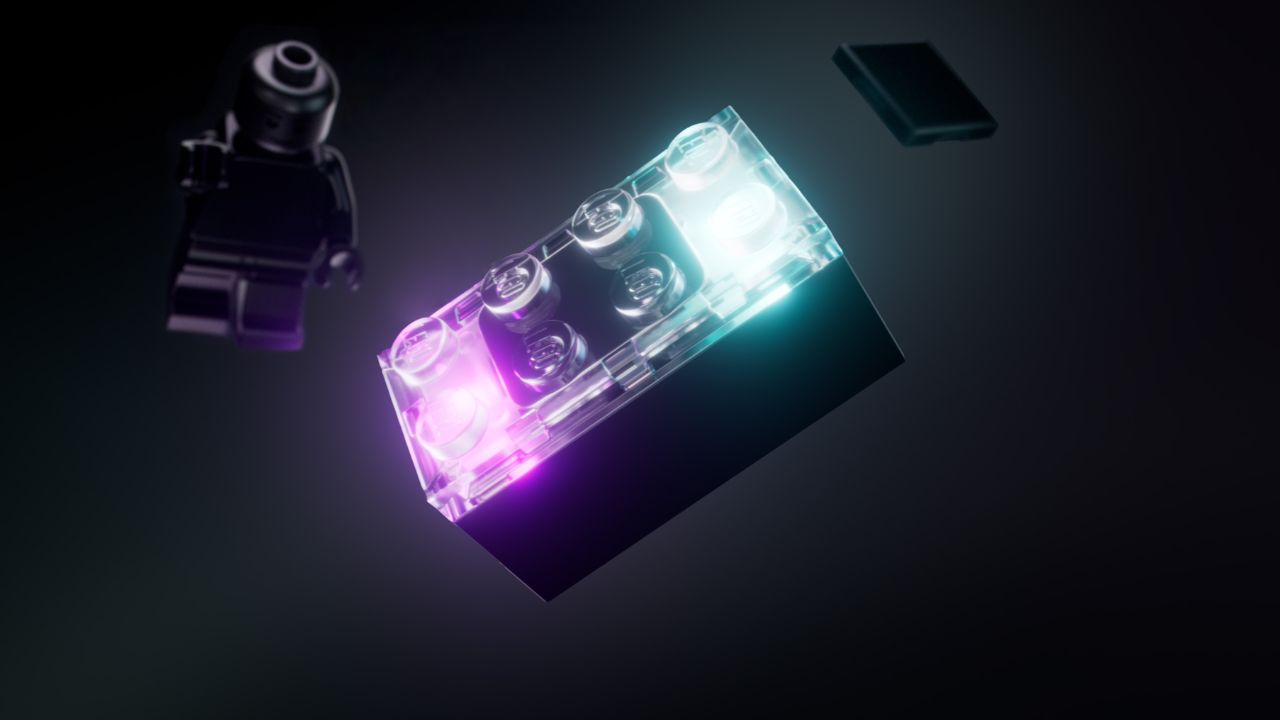
In a world where even LEGO is going high tech — LEGO SMART Brick (launched at CES) is packed with technologies including sensors, accelerometers, light sensing and a sound sensor as well as a miniature speaker driven by an onboard synthesiser creating an interactive toy — it should come as no surprise that technology is serving as the building block for what we drive, and what will have to be fixed.
Across air, land, and sea, exhibitors are emphasizing three core pillars: automation, connectivity, and energy management. In the automotive space, manufacturers and Tier 1 suppliers such as BMW, Hyundai, Bosch, Valeo, and Sony Honda Mobility are demonstrating vehicles built on centralized electronic architectures.
These platforms replace dozens of independent control modules with high-performance domain or vehicle computers, allowing multiple functions—powertrain, ADAS, infotainment, and body systems—to run on shared hardware.
This shift toward software-defined vehicles (SDVs) has direct implications for independent shops. Vehicle functions are increasingly controlled by software logic rather than mechanical adjustment, with over-the-air updates becoming standard. That means diagnostics, calibration, and verification procedures will continue to evolve well beyond traditional scan-and-clear workflows.
ADAS technology remains a major focus at CES. Exhibitors are showing expanded use of camera-only systems, combined radar and vision platforms, and more compact lidar sensors. Improvements in low-light imaging, object classification, and real-time processing are pushing advanced safety features deeper into mainstream vehicles—raising the bar for calibration accuracy following collision repair, glass replacement, and suspension work.
AUMOVIO’s presence at CES underscores the industry’s shift toward scalable ADAS and software-centric vehicle platforms. The company is highlighting modular automated-driving systems designed to support everything from advanced parking and highway assist functions to higher levels of automation. For the aftermarket, this modular approach means more standardized sensor layouts—but also tighter tolerances and stricter calibration requirements following repairs.
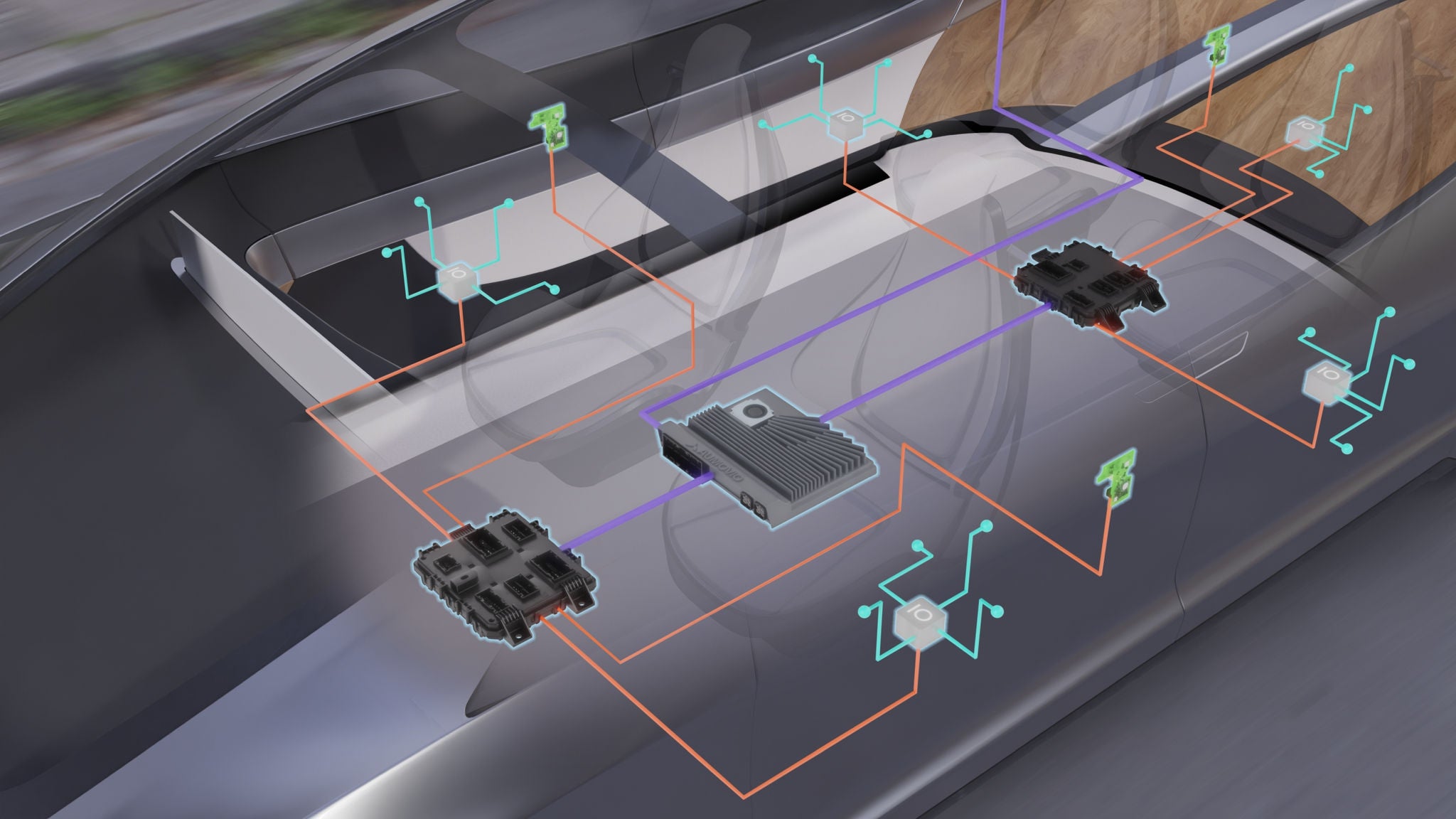
Autonomous mobility also remains on display, with companies such as Waymo, Zoox, and Tensor Auto demonstrating integrated sensor stacks and AI-based perception systems. While full autonomy is still largely limited to controlled fleets, the building blocks—high-resolution cameras, radar, lidar, and powerful onboard computing—are already appearing in late-model vehicles serviced by independent shops.
Beyond passenger vehicles, CES highlights how automation and electrification are reshaping off-highway mobility. John Deere, Kubota, Caterpillar, Doosan, and Oshkosh are showcasing autonomous operation, remote diagnostics, and electrified subsystems in agricultural and construction equipment. These machines increasingly rely on automotive-style electronics, CAN networks, and software diagnostics—blurring traditional boundaries between vehicle repair and equipment service.
For Indie Garage readers, CES reinforces a practical message: the vehicles arriving in service bays over the next decade will demand deeper technical knowledge, more precise calibration, and stronger diagnostic capability. The technology may debut on a show floor—but its impact will be felt on the shop floor.
We can all hope the transition is less painful than stepping on a plastic bulding block.
0 Comments