
(SPONSORED CONTENT)
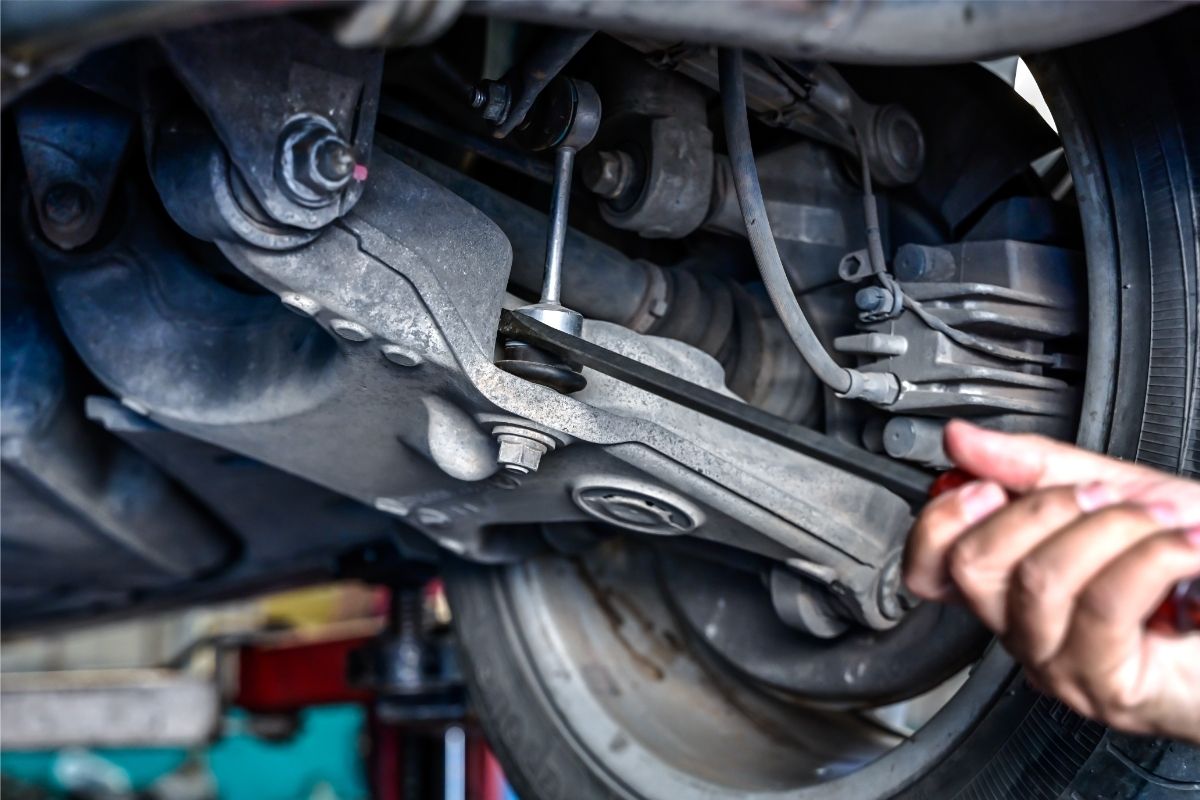
For many drivers, 100,000 km feels like a milestone. For technicians, it’s often when suspension systems begin revealing how a vehicle has truly been used.
Not every vehicle reaches that mark under the same conditions. Some accumulate mostly highway kilometres, while others have spent years carrying loads, navigating rough roads, enduring harsh weather, towing, or handling daily stop-and-go driving. Over time, suspension wear is rarely isolated to a single component, it’s usually the result of a system gradually changing under real-world conditions.
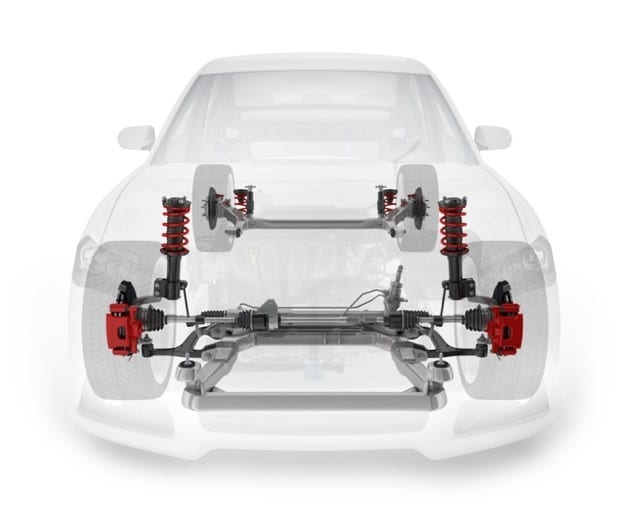
That’s why suspension service today is increasingly about restoring overall vehicle dynamics, not simply replacing what failed.
The Suspension Hasn’t “Broken”, It Has Changed
One of the biggest misconceptions about higher-kilometer vehicles is assuming suspension performance only declines once something visibly fails. In reality, change happens gradually. Springs lose ride height. Bushings soften or crack. Dampers lose control. Ball joints develop play. Tires wear unevenly. Together, these changes alter suspension geometry and loading characteristics, even when no warning light appears.
Customers often notice the effects before identifying the cause:
- Wandering or reduced stability
- Looser steering feel
- Frequent alignment issues
- Uneven tire wear
- Reduced confidence under load
Many of these symptoms stem from cumulative suspension aging—not a single failed component.
Ride Height: The Measurement That Gets Missed
When technicians think alignment, they usually think camber, caster, and toe. But one of the most overlooked inputs is ride height.
Even small changes in ride height affect suspension geometry and steering relationships. On vehicles beyond 100,000 km, restoring ride height and confirming system condition can be just as important as replacing components.
Suspension Wear Creates a Domino Effect
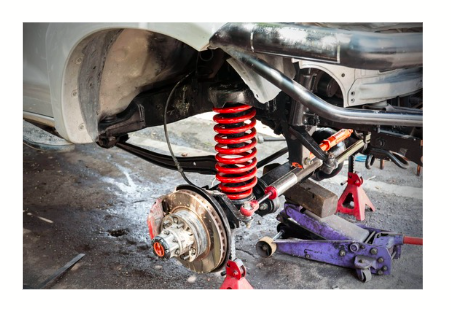
Suspension systems rarely wear one part at a time. A worn bushing changes wheel position. That changes load on surrounding components. Tire contact shifts. Steering feel changes. By the time symptoms become obvious, multiple components may already be contributing.
This is why inspection matters. Looking at individual parts alone can miss the broader picture of how the system is functioning.
Repairing High-Mileage Suspensions Requires a Different Mindset
At 100,000 km and beyond, inspection strategy becomes just as important as repair quality. Evaluate the system together:
- Ride height
- Springs, shocks, and struts
- Bushing condition
- Ball joints and steering play
- Tire wear patterns
- Alignment history
- Signs of overloading or modification
- Corrosion and mounting condition
The goal isn’t replacing more parts, it’s understanding what conditions created the wear.
The Aftermarket Has Evolved Alongside Vehicle Life Cycles
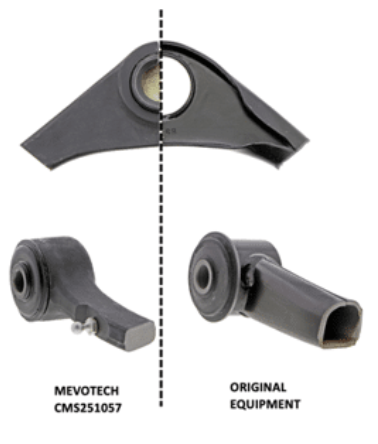
As vehicles stay on the road longer, suspension repair has evolved with them. Many modern aftermarket suspension components are engineered not only to replace original equipment, but to address the realities of higher-mileage vehicles, including contamination exposure, changing loads, corrosion, and long-term wear.
Design approaches such as enhanced sealing, durability improvements, and serviceability can help support suspension performance over extended vehicle life. At Mevotech, this philosophy has helped shape product development across steering
and suspension categories. Through engineering, testing, and technician insight, the focus is not simply replacing worn parts, but helping restore ride, handling, and performance in real-world conditions.
The opportunity in the bay creates an opportunity to turn a routine repair into a deeper customer conversation. Vehicles are staying on the road longer than ever, and many entering independent repair shops today are well beyond the 100,000 km mark.
That changes the technician’s role.
Customers increasingly rely on shops not just to replace worn components, but to explain why the vehicle feels different, and what it takes to restore ride quality, handling, stability, and confidence behind the wheel. That creates an opportunity.
Suspension service is no longer just about correcting noise, or tire wear. It’s an opportunity to deliver a more complete inspection, identify conditions that may otherwise go unnoticed, and help customers understand the broader impact suspension health has on vehicle performance and long-term operating costs.
When suspension is evaluated as a complete system, considering ride height, loading history, wear patterns, alignment, and component condition, the result is often a more accurate repair, improved customer confidence, and better long-term outcomes.
For the shops willing to look beyond the obvious repair, there’s an opportunity to deliver something customers value even more than replacement parts:
A vehicle that feels right again.
For additional resources visit https://www.mevotech.com/resources/articles/

0 Comments